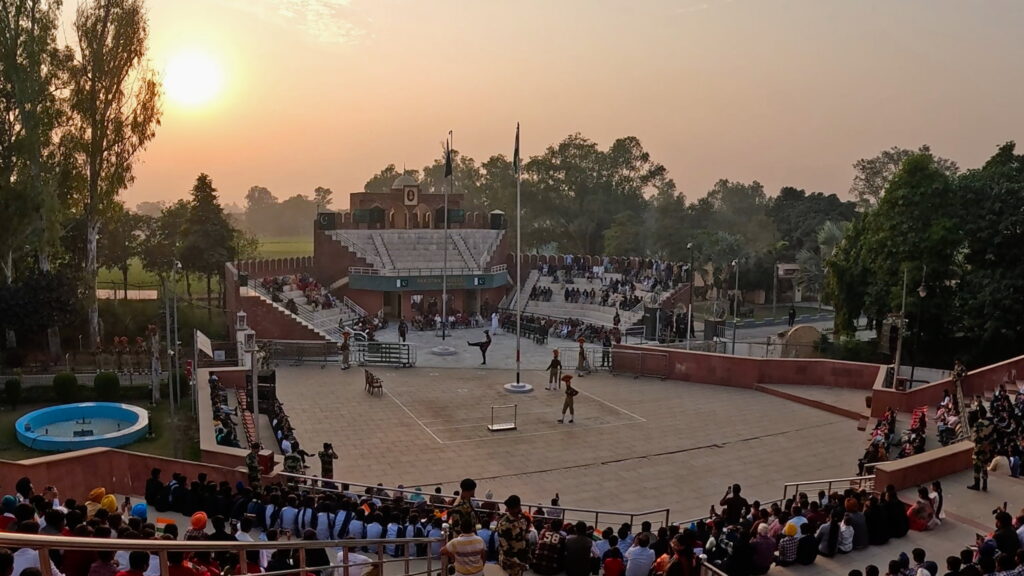
There are places you visit quietly, and then there are places that hit you with sound, movement, crowds, and emotion all at once.
Hussainiwala was the second kind.
During our time in Ferozpur, we went to the Hussainiwala border to watch the daily retreat ceremony between Indian and Pakistani soldiers. We had seen clips of border ceremonies before, but being there in person felt completely different.
Even getting there felt like part of the experience. Before reaching the main campus, we passed through a security checkpoint where everyone had to step out of the vehicle and be frisked. I also had to explain the little black box I was carrying — my GoPro — before we were allowed to continue toward the border.
The energy starts before the ceremony does
Long before the formal event begins, the atmosphere starts building. People arrive, families find places to sit, voices echo around the grounds, and the whole space feels charged with anticipation.
It is not a quiet historical site where everyone whispers and reads plaques. It is alive.
You can feel that everyone is waiting for the same moment, even if each person has come for a different reason — curiosity, patriotism, family tradition, or simply the experience of seeing the border up close.
Two sides facing each other
Then the ceremony begins, and everything becomes more deliberate.
The soldiers’ movements are sharp and theatrical. The gates, uniforms, marching, calls from the crowd, and responses from across the border all create a strange combination of pageantry and seriousness.
What struck us most was the physical closeness of it all. India and Pakistan are enormous ideas when you read about them in history books or see them on a map. Standing at a border gate makes that geography suddenly very real.
There is a line. There are people on both sides. There are soldiers performing coordinated routines only a short distance apart. And for a while, everyone’s attention is focused on that small shared space.
More complicated than a tourist stop
It would be easy to describe the evening only as exciting, because it absolutely was. The crowd, the ceremony, and the scale of the event make it visually unforgettable.
But there is history sitting underneath the spectacle too.
For families with roots in Punjab, borders are not abstract. They intersect with migration, family stories, identity, and memories that stretch across generations. We did not go there pretending to understand all of that in one evening.
We simply tried to be present and take in what was happening around us.
After the ceremony, the museum changed the mood
Once the ceremony was over, we went into the museum on the Hussainiwala campus. The energy outside had been loud, theatrical and almost celebratory. Inside, the feeling changed completely.
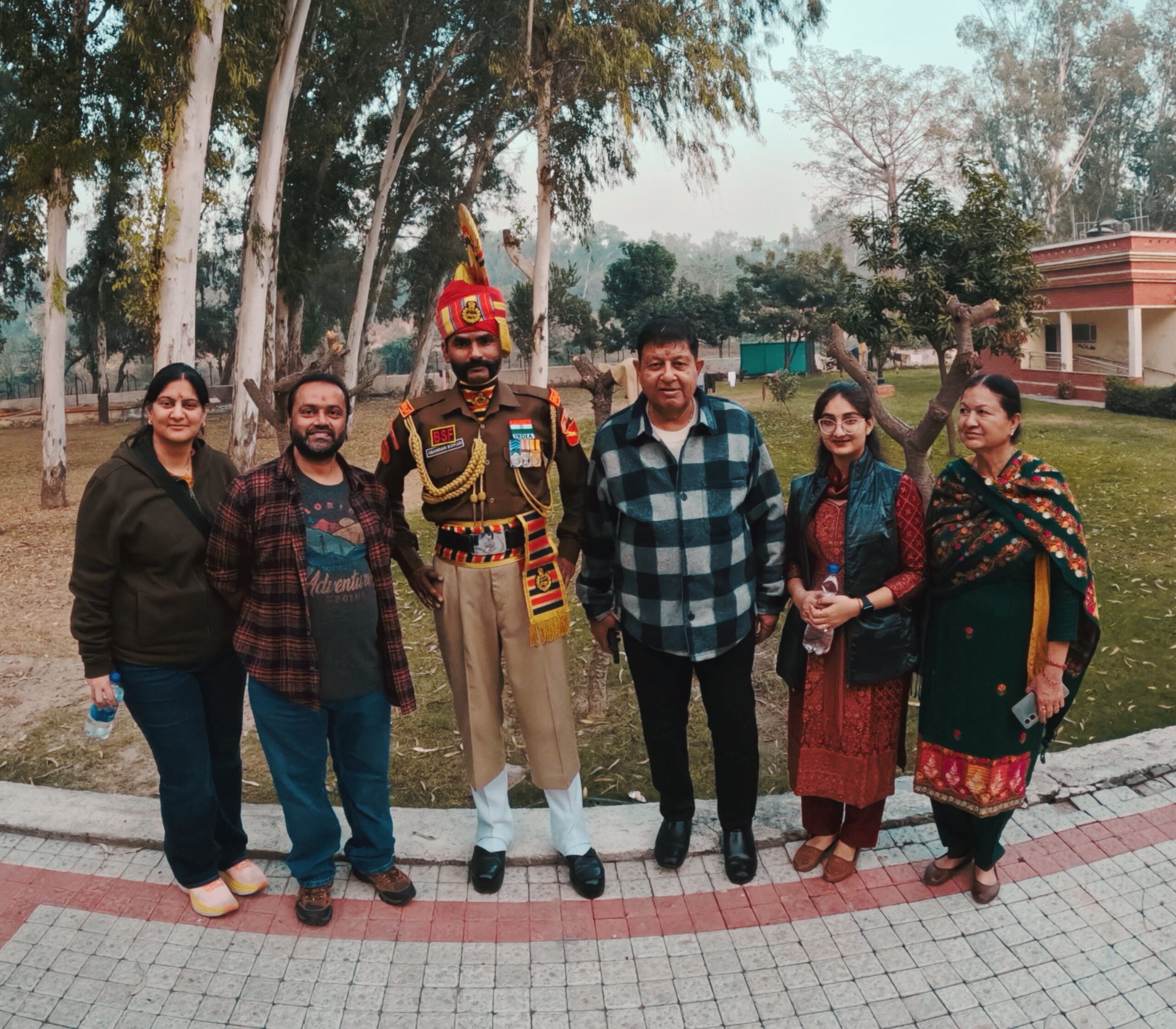
The present viewers’ gallery-cum-museum at the Joint Check Post was inaugurated in 2017, and the museum preserves material connected with the Border Security Force, the history of the frontier and those who lost their lives defending it. Hussainiwala itself carries several layers of history: it is close to the National Martyrs Memorial for Bhagat Singh, Rajguru and Sukhdev, and the border area also saw fighting during the wars between India and Pakistan.
Walking past the displays made the border feel very different from the ceremony we had just watched. Outside, patriotism had been expressed through marching, music and cheering crowds. Inside, it became quieter and more personal. There were weapons, photographs, documents and displays connected with people whose service and sacrifice were no longer abstract history.
It had been many years since I had felt that kind of pride so directly. Standing there, looking at the objects left behind and reading about the men and women who had served along the border, I felt grateful in a way that is difficult to explain without sounding overly dramatic. They had lived the dangerous part of history so that generations after them could stand there simply as visitors.
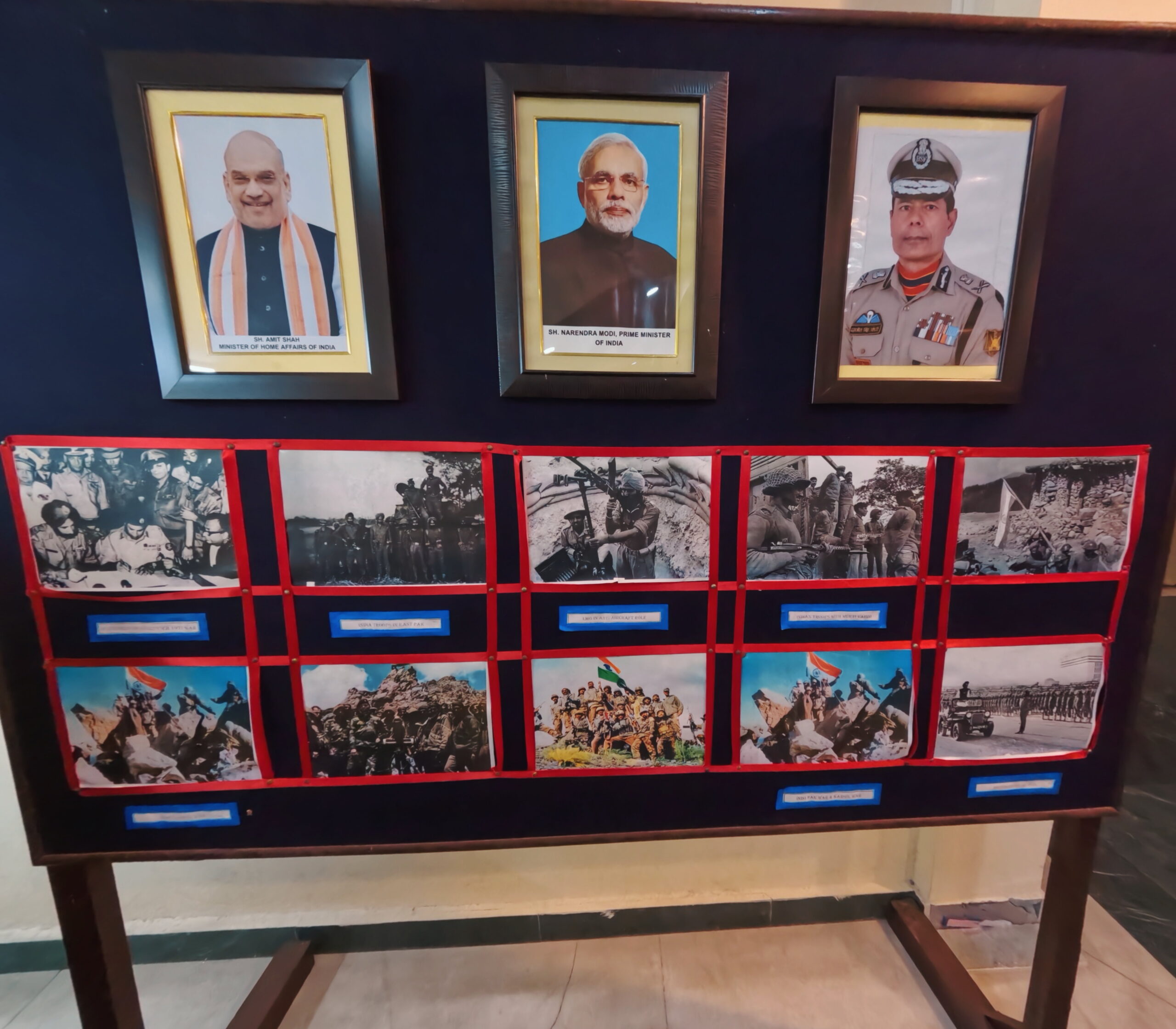
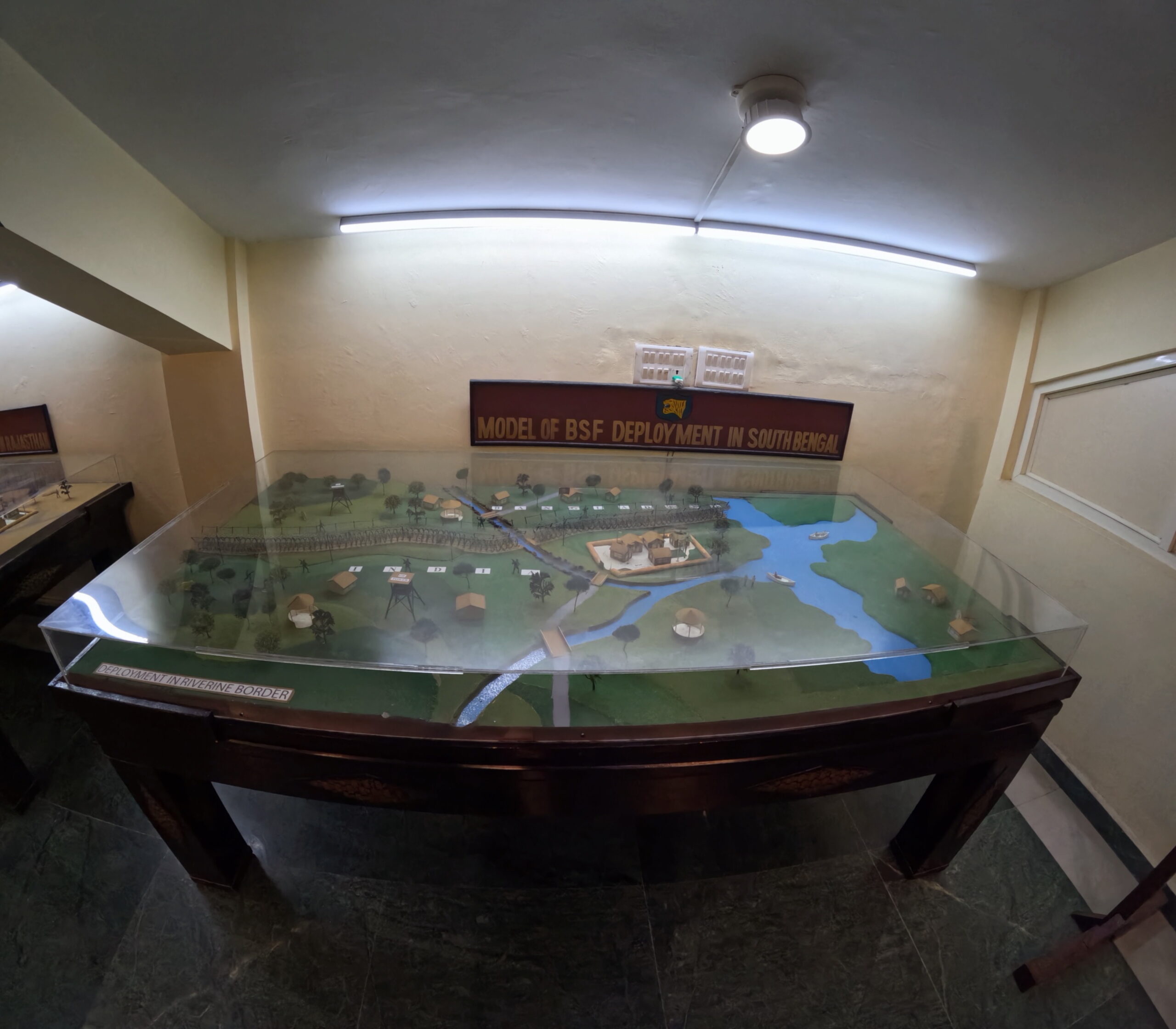
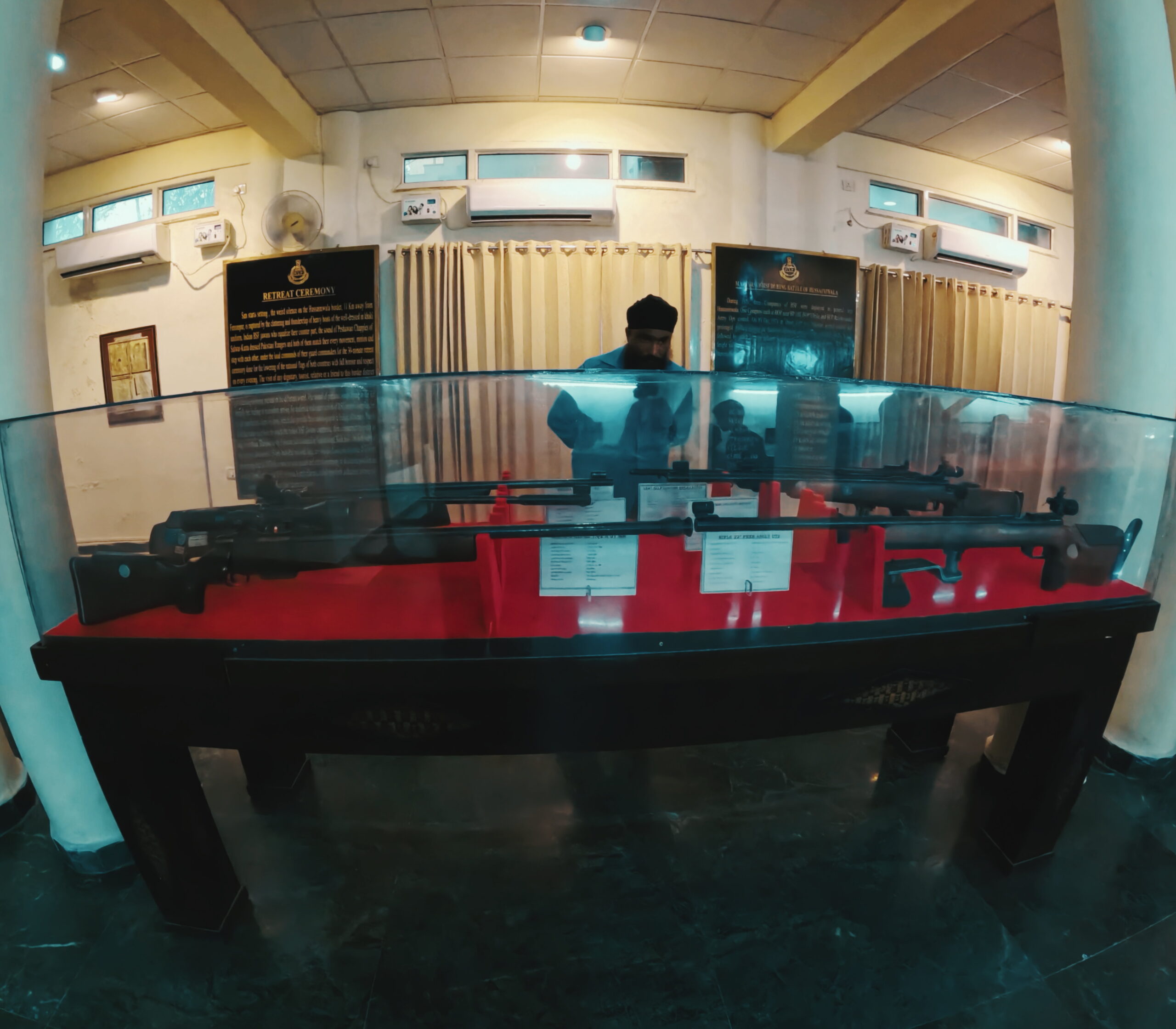
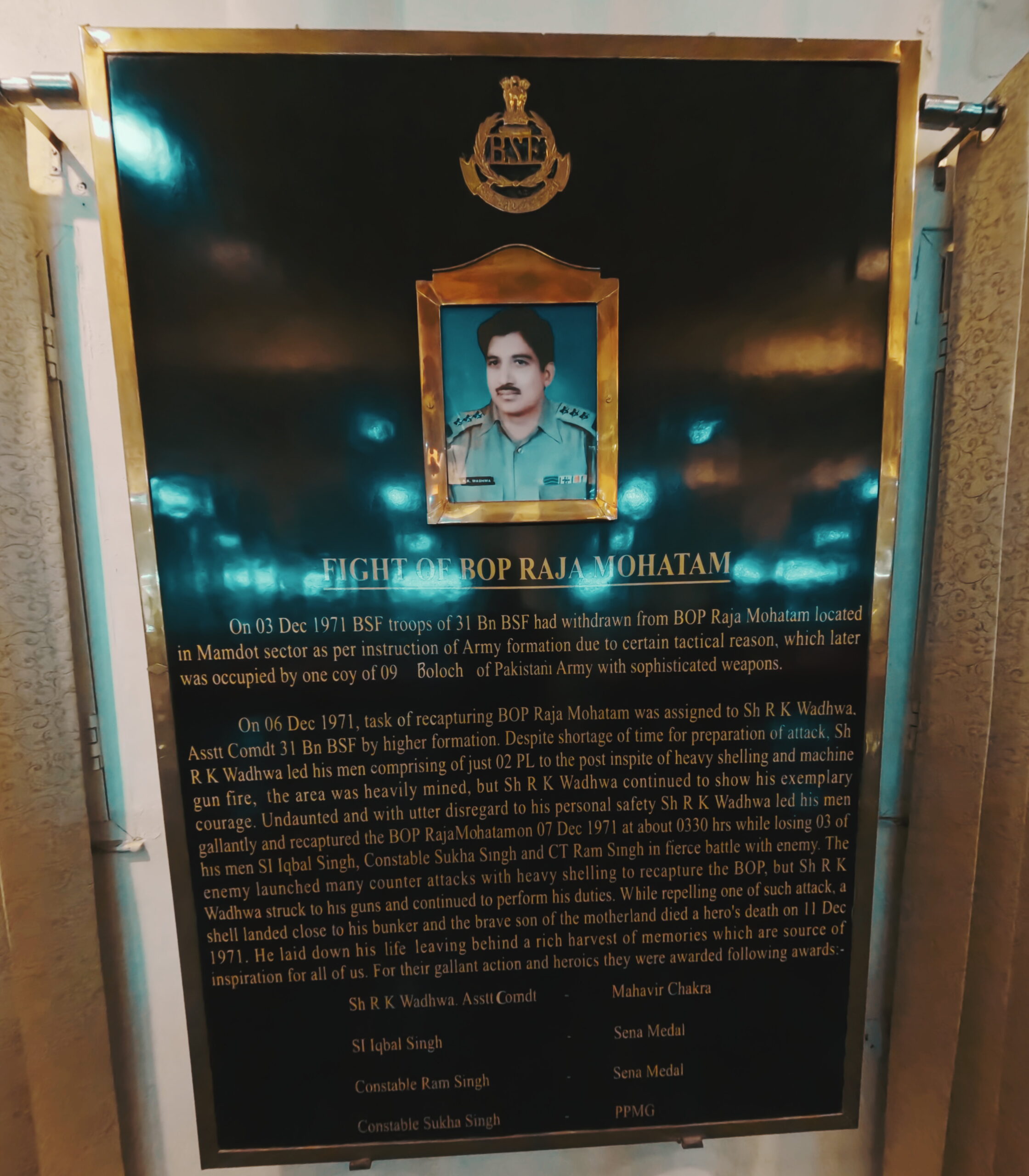
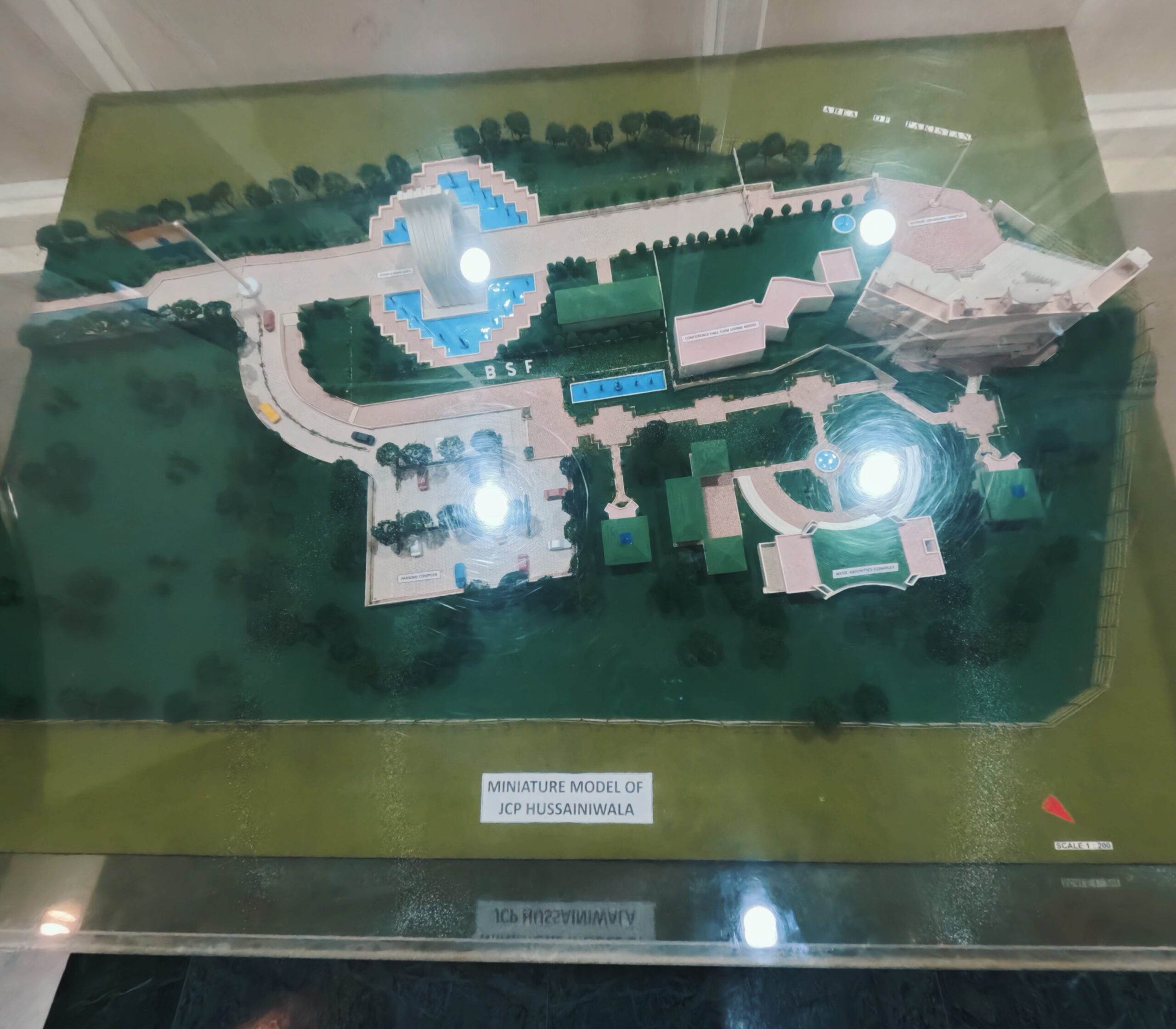
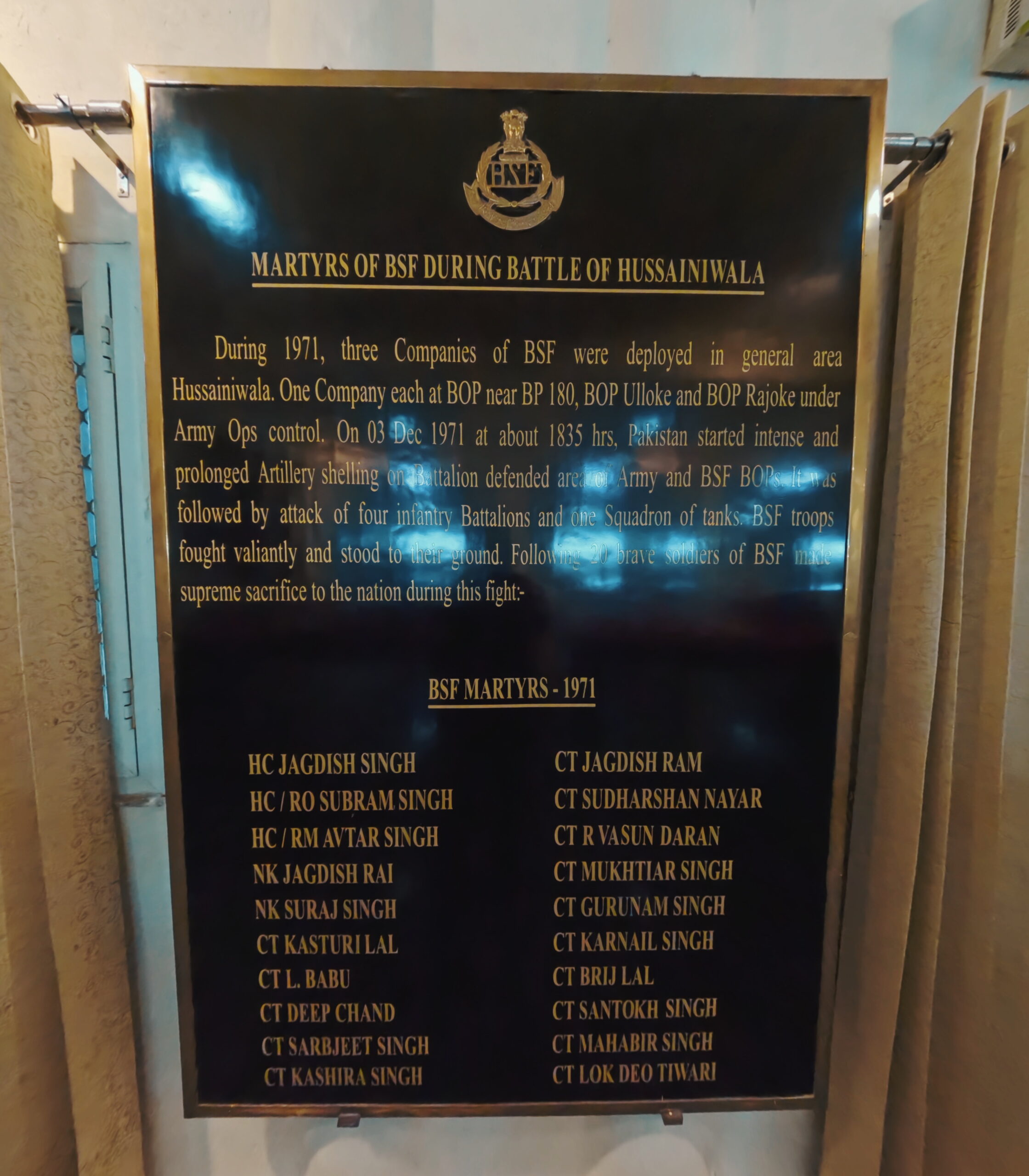
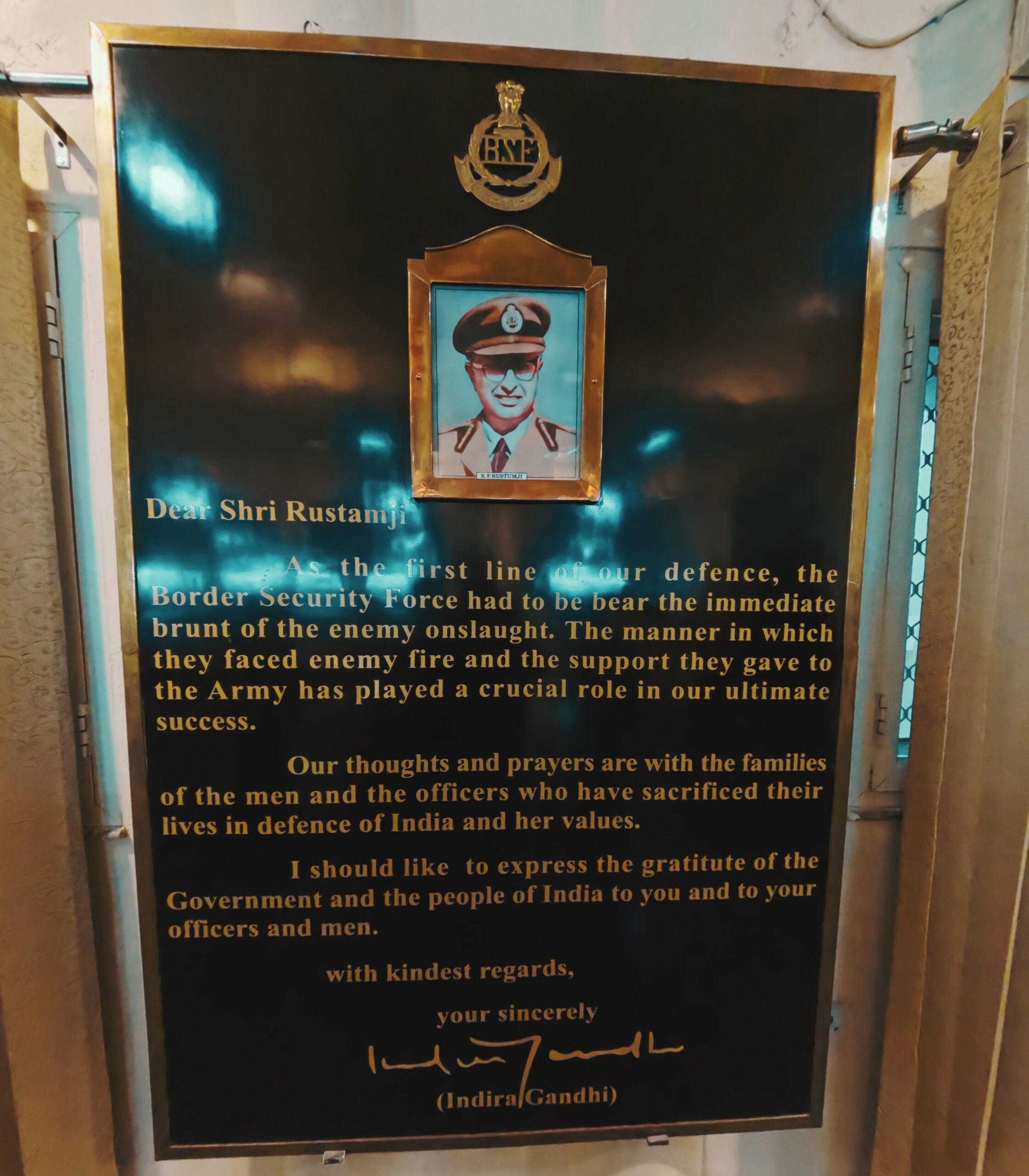
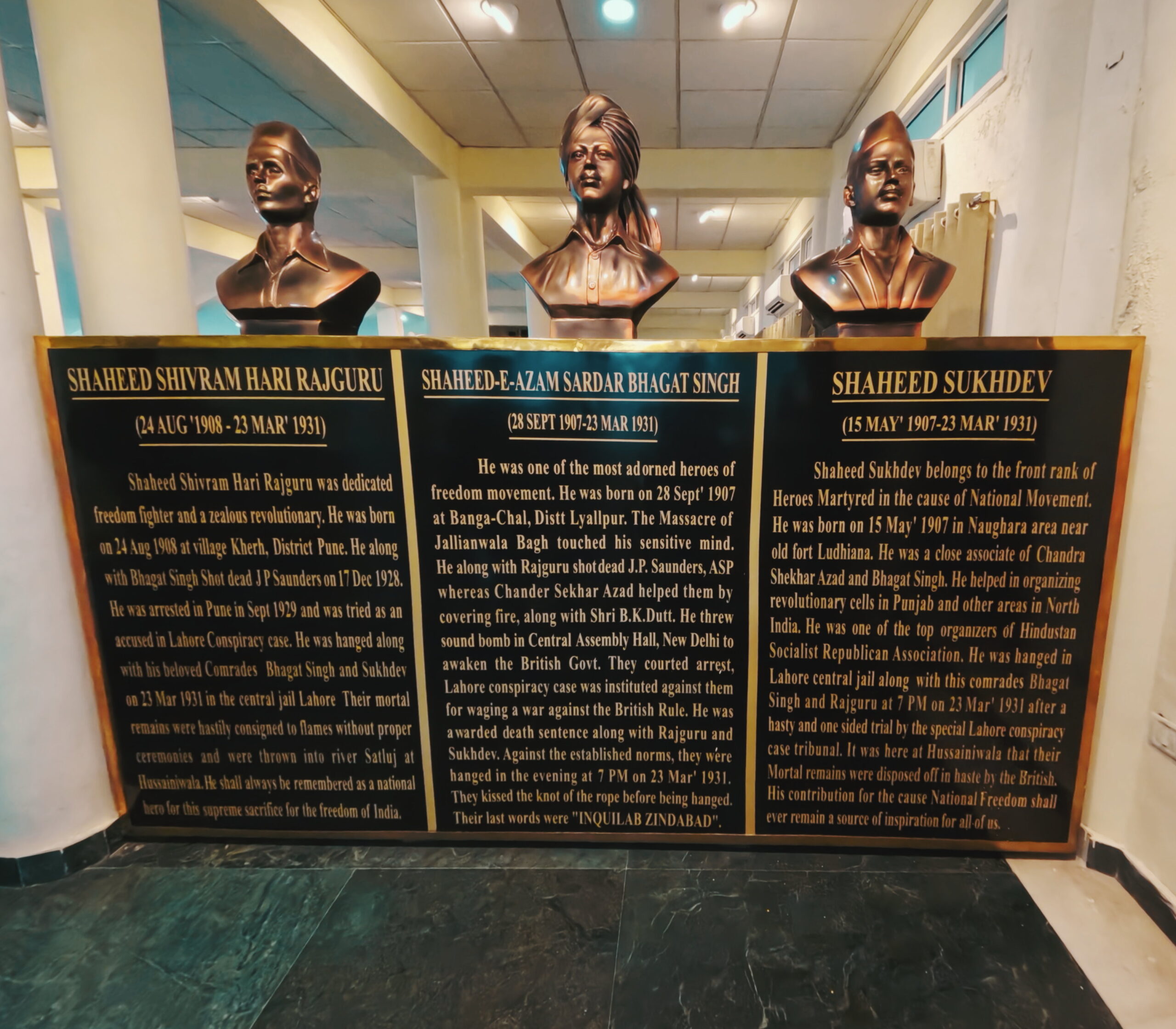
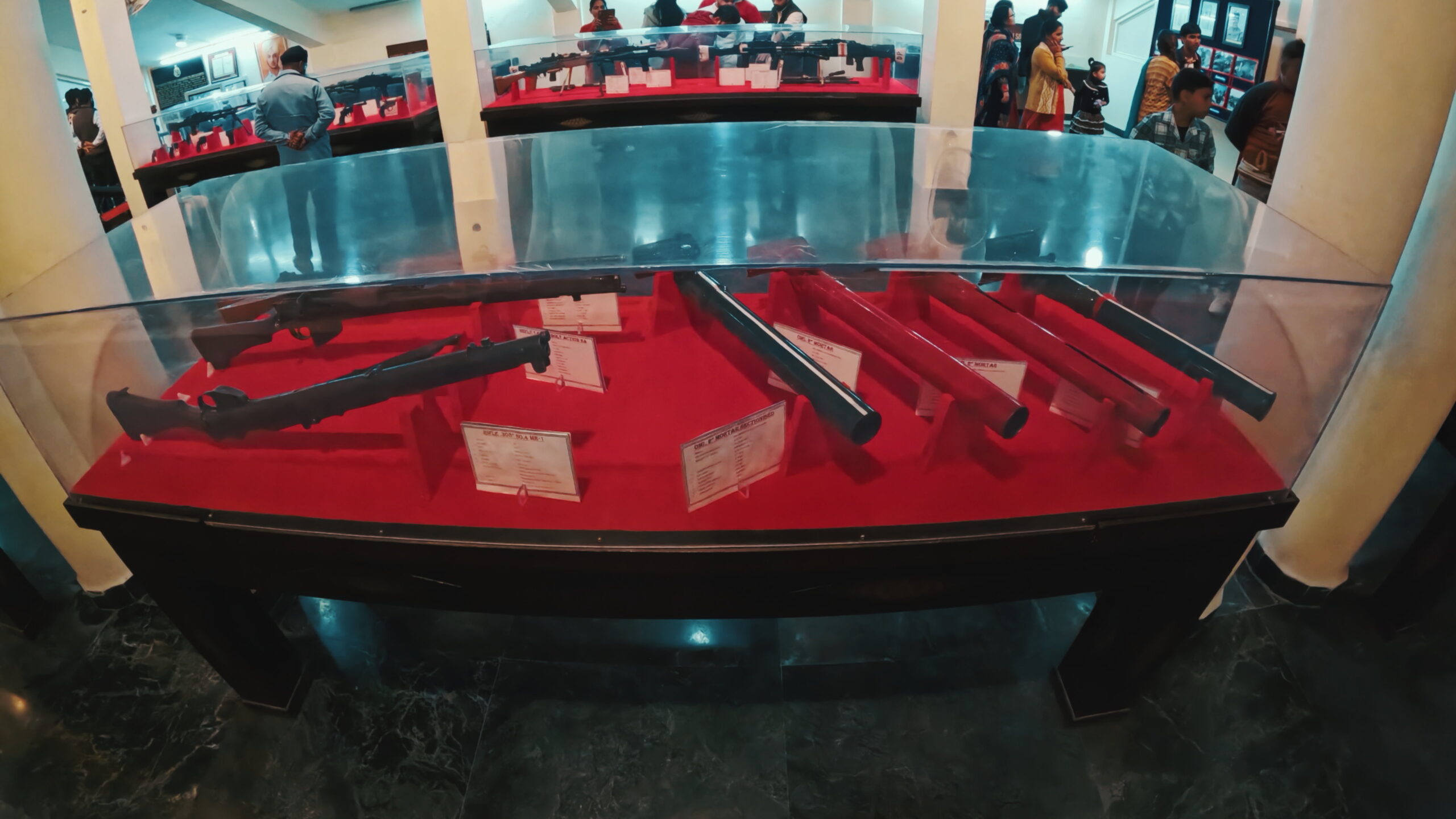
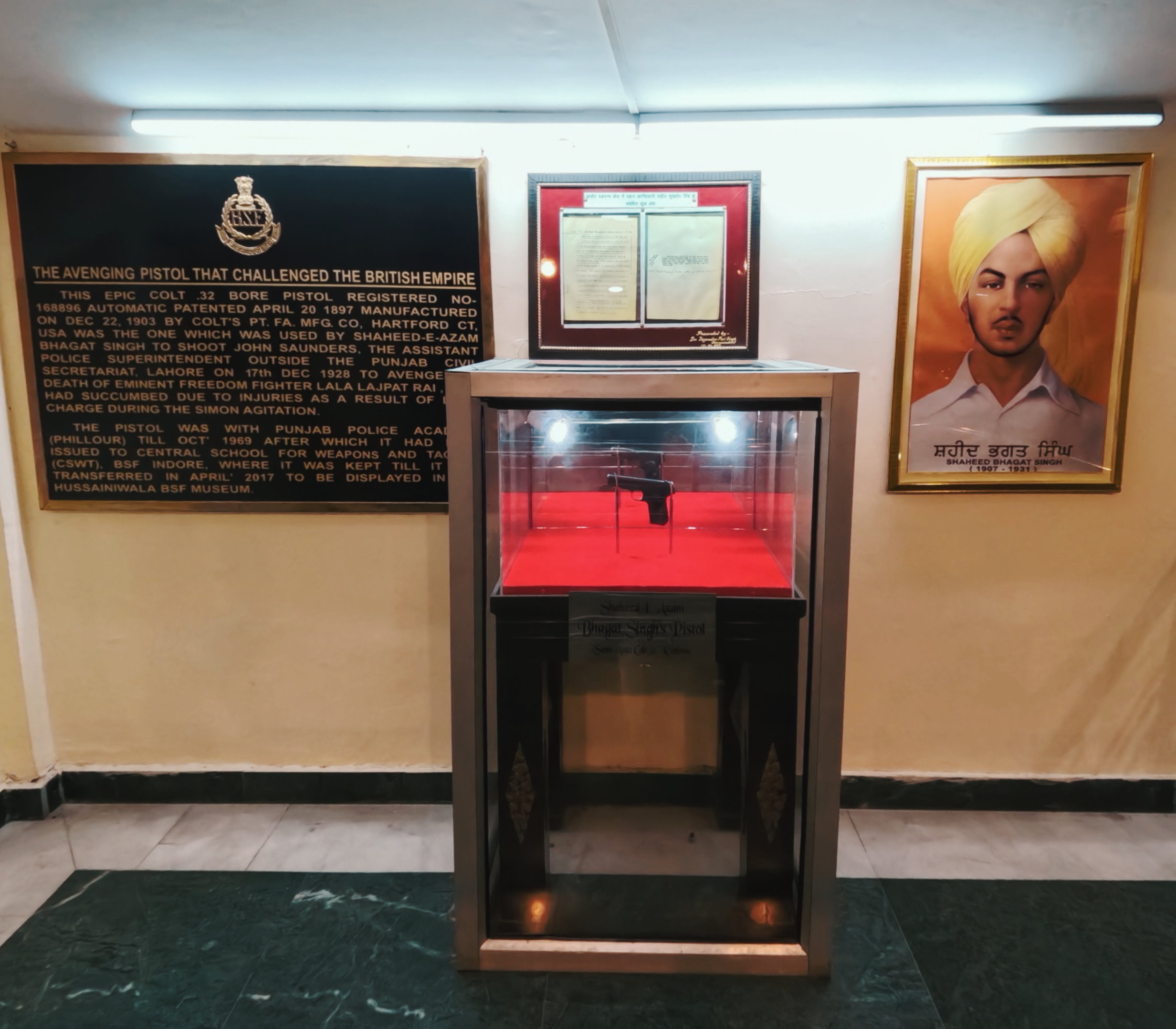
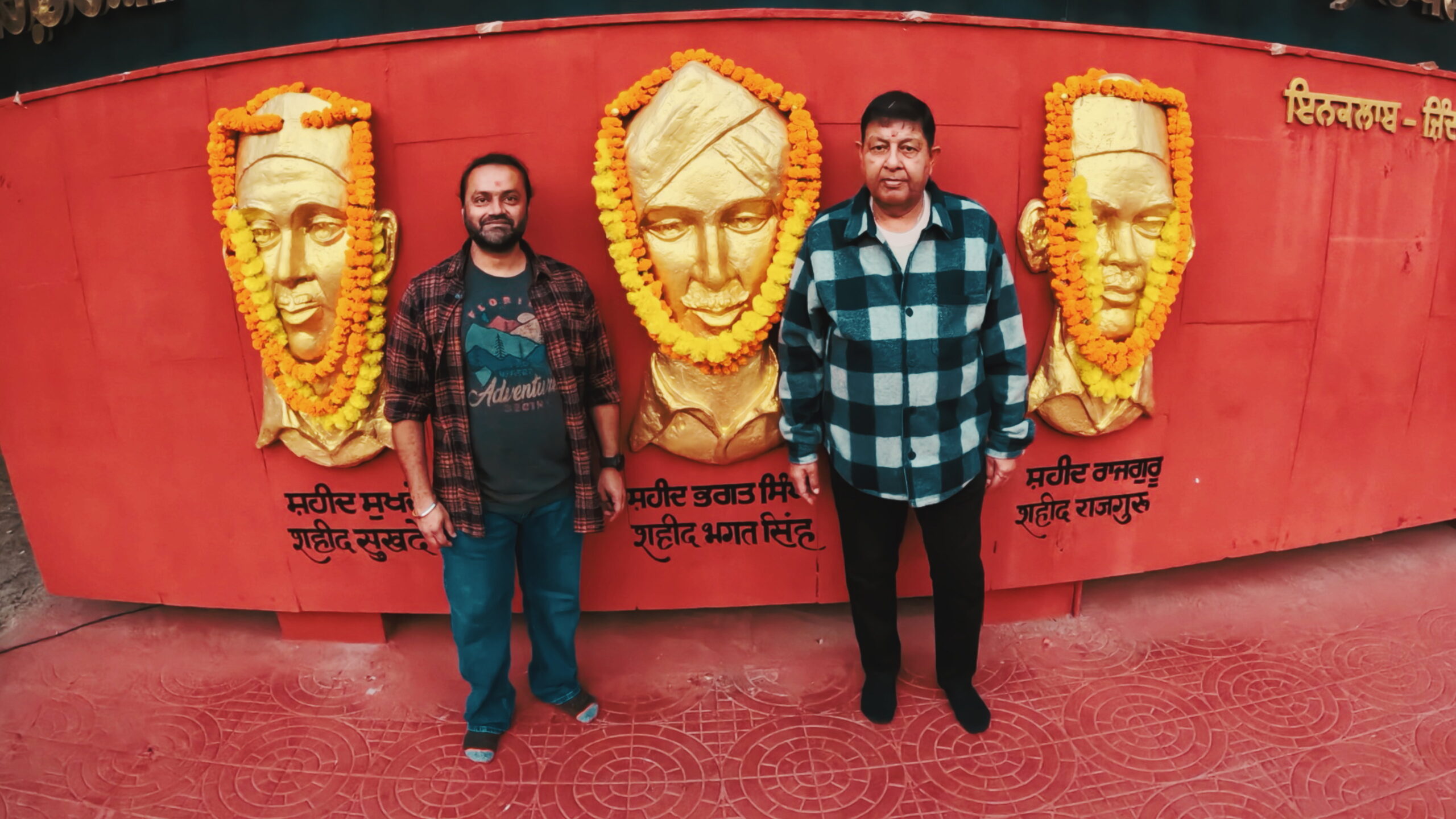
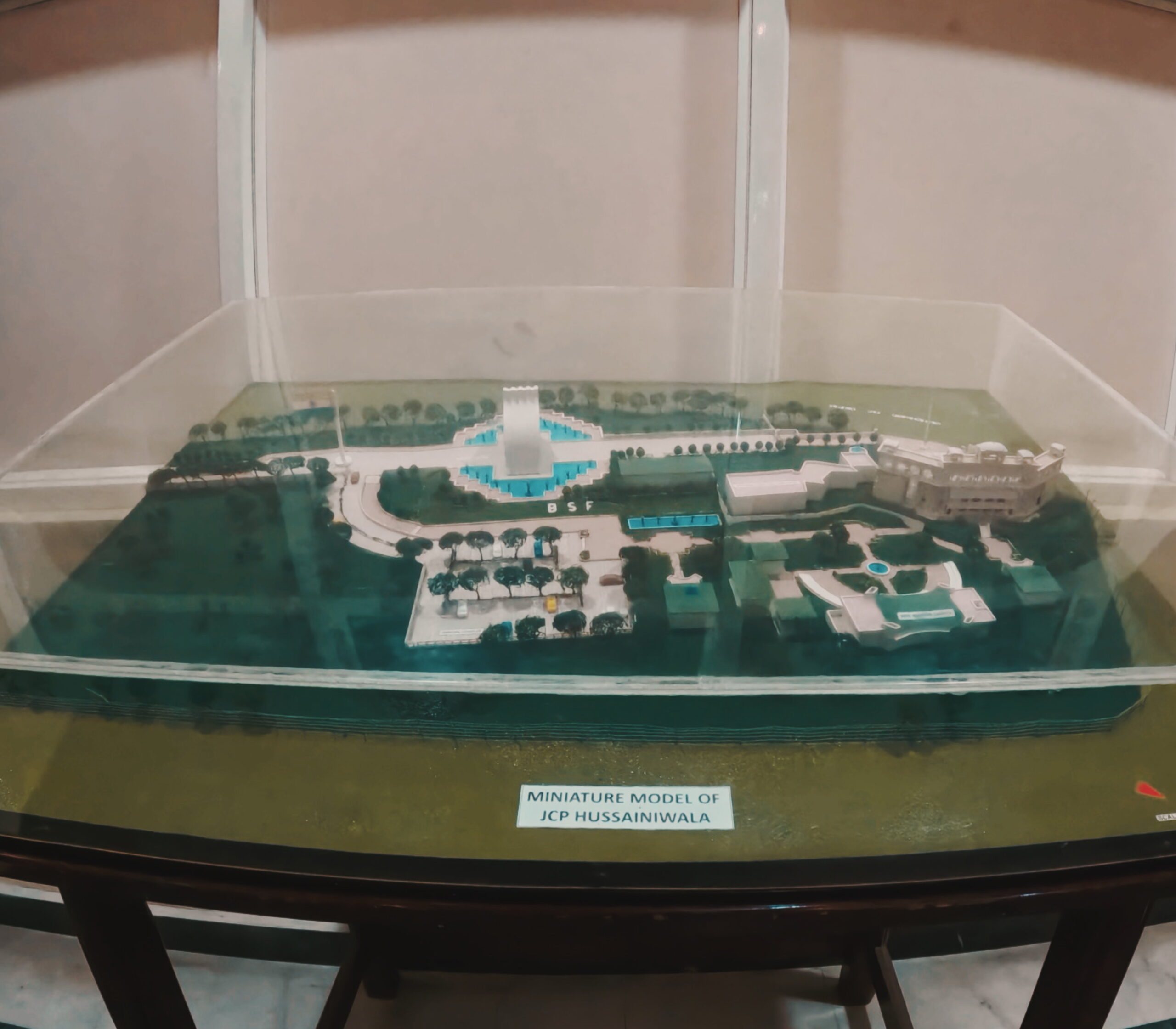
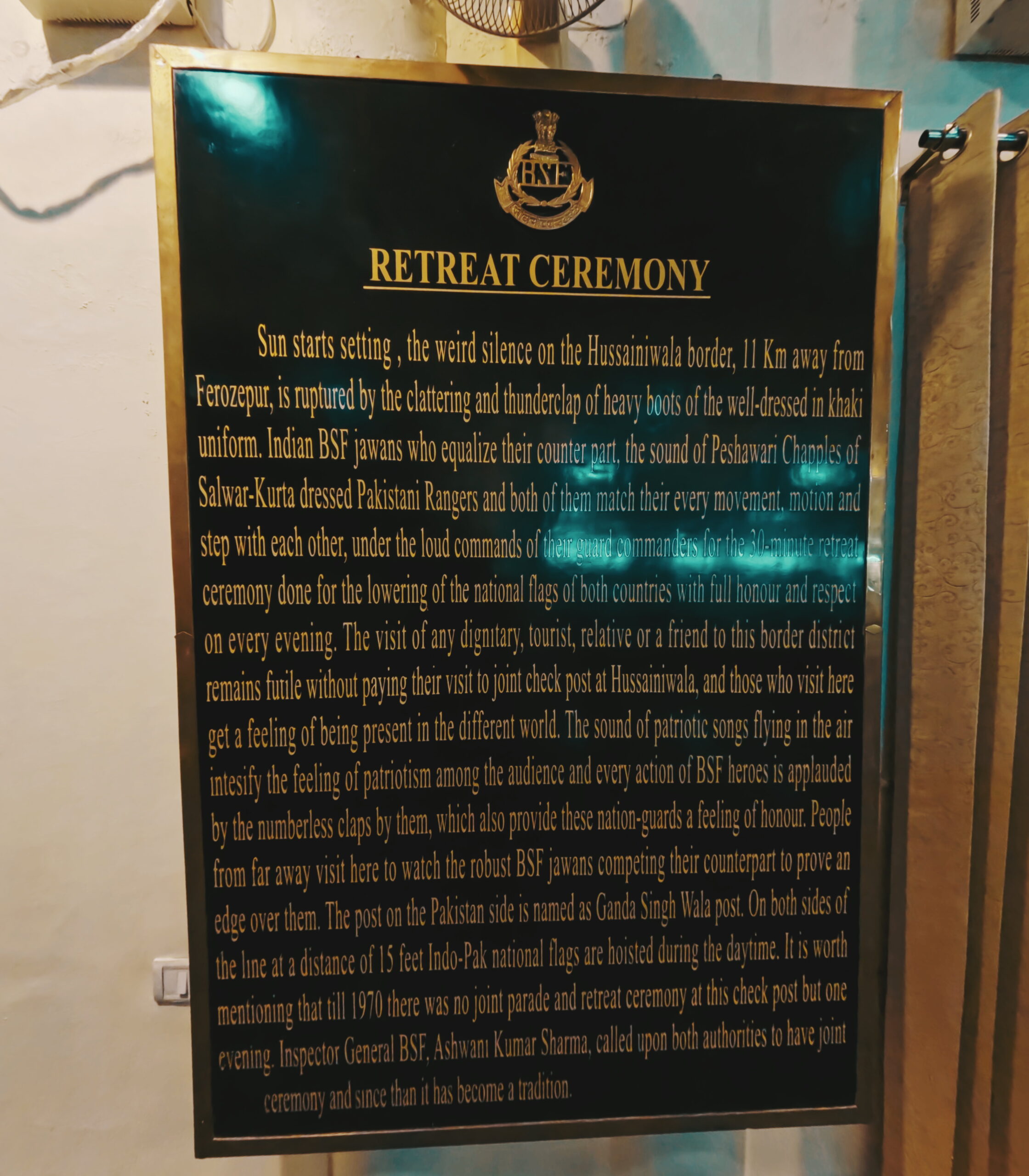
We photographed a lot of the displays, but two years later I would rather admit that I do not remember the exact story behind every object than pretend that I do. What stayed with me more clearly was the feeling of the place: pride, gratitude, and the realization that the border ceremony outside sits on top of a history that was anything but ceremonial.
The kind of memory video preserves differently
This is also one of those experiences where video matters more than still photographs.
A photograph can show the soldiers or the gate. It cannot quite capture the rhythm of marching boots, the crowd responding, the pauses between movements, or the way the energy changes as the ceremony reaches its peak.
Watching these clips again brings back the atmosphere almost immediately.
One evening we knew we would remember
Our Ferozpur visit had two very different sides. There were the intimate family moments — being welcomed by Ruby’s chaachi (aunt) and spending time at the gaushala (cow shelter) — and then there was Hussainiwala.
One was quiet and personal. The other was public, energetic, historical, and impossible to ignore.
Together, they are a good reminder of why we prefer telling our trips in pieces instead of squeezing everything into one giant travel diary.
Some moments need room to stand on their own.
Hussainiwala was definitely one of them.
More from India 2024
More bits and pieces from the trip.
Hussainiwala was one part of a much larger journey through Punjab and Gujarat, with family, food, history and the ordinary moments in between.